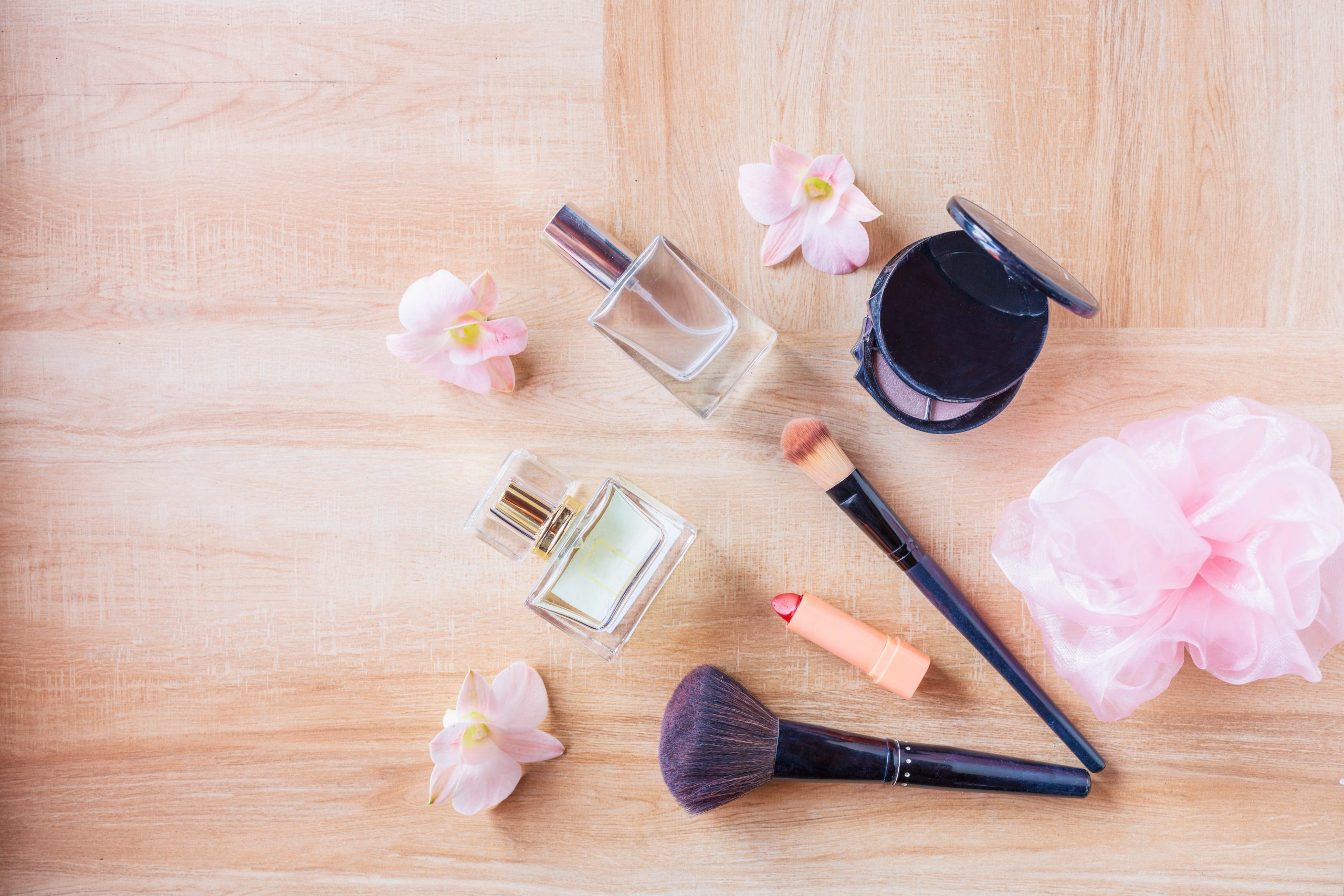
With rapid development of cosmetics industry and continuous improvement of consumer awareness, cosmetic ingredients or active raw materials are gradually becoming known and paid attention to by consumers. The innovation of cosmetic ingredients has also become the “moat” for competitiveness, differentiation and efficacy of brand products. China implements catalog management for cosmetic ingredients, including 8,972 ingredients in the catalog of used cosmetic ingredients, 1,393 banned ingredients, 44 restricted ingredients, and permitted ingredients (48 kinds of preservatives, 26 kinds of sunscreens, 156 kinds of colorants, 73 types of hair dyes).
Definition of New Cosmetic Ingredients
Natural or artificial ingredients used in cosmetics for the first time in China.
Criteria for Judging New Cosmetic Ingredients
Ingredients not included in the “Catalogue of Used Cosmetic Ingredients” (2021 Edition).
Pre-market Supervision and Management Requirements
According to Article 4 of the “Regulations on the Supervision and Administration of Cosmetics”, China implements registration management for high-risk cosmetic ingredients and implements filing management for other new cosmetic ingredients.
Competent Department
National Cosmetics Supervision and Administration Bureau.
Regulations Related to Application for New Cosmetic Ingredients
- Cosmetics Supervision and Management Regulations (announced on June 29, 2020/implemented on January 1, 2021)
- Cosmetic Registration Management Measures (announced on January 7, 2021, implemented on May 1, 2021)
- Technical Guiding Principles for Cosmetics Safety Evaluation (announced on April 9, 2021, implemented on May 1, 2021)
- Technical Guidelines for Submission of Cosmetic Registration Application Materials (Trial) (announced on April 25, 2021/implemented on May 1, 2021)
Based on the functions and properties of the new ingredients applied for registration or filing, as well as the history of use in domestic and foreign cosmetics, or the history of consumption, new ingredients are divided into the following six cases.
- Case 1: Products used for the first time at home and abroad with antiseptic, sunscreen, coloring, hair dyeing, freckle removal and whitening, anti-hair loss, acne removal, anti-wrinkle (except physical anti-wrinkle), anti-dandruff, deodorant functions, and other products used for the first time at home and abroad with higher bioactive new cosmetic ingredients (such as new oligopeptides, polypeptides, proteins, and nano-based raw materials with high biological activity that are used for the first time at home and abroad);
- Case 2: New ingredients used for the first time at home and abroad that do not have the functions of antisepsis, sun protection, coloring, hair dyeing, spot removal and whitening, hair loss prevention, acne removal, anti-wrinkle (except physical anti-wrinkle), anti-dandruff, and deodorant functions;
- Case 3: New ingredients that do not have the functions of antisepsis, sun protection, coloring, hair dyeing, freckle whitening, anti-hair loss, acne removal, anti-wrinkle (except physical anti-wrinkle), anti-dandruff, and deodorant functions, and sufficient evidence can be provided to prove the ingredients that have been used safely for more than three years in overseas marketed cosmetics;
- Case 4: It has the functions of antisepsis, sun protection, coloring, hair dyeing, freckle removal and whitening, anti-hair loss, acne removal, anti-wrinkle (except physical anti-wrinkle), anti-dandruff, and deodorant functions, and sufficient evidence can be provided to prove that the ingredient is marketed overseas as a cosmetic. New ingredients that have been used safely for more than three years;
If the relevant information on safe use history meets all of the following conditions, it can be regarded as a new ingredient that has a history of safe use in overseas marketed cosmetics for more than three years. New ingredients that meet the above Case 3 and 4 should also provide corresponding information:
- The new ingredients have the same quality specifications, purpose of use, application or scope of use as those used in overseas marketed cosmetics, and the safe usage amount of the new ingredients is not higher than the amount used in overseas marketed cosmetics;
- Cosmetics containing this ingredient have been on the market overseas for no less than 3 years;
- Relevant evidence materials that can prove that cosmetics containing the ingredient have enough users overseas;
- There have been no serious adverse reactions or mass adverse reactions caused by the ingredients in the cosmetics containing the ingredients marketed overseas;
- There are no relevant literature reports that this ingredient may cause harm to human health.
- Case 5: New ingredients for cosmetics with a history of safe consumption (the parts used in the ingredients should be consistent with the parts of consumption);
If relevant information on safe consumption history requires meeting one of the following conditions, it can be regarded as a new ingredient with a safe consumption history. New ingredients that meet the above Case 5 should also provide corresponding information:
- Food ingredients that have obtained food safety certification or other corresponding qualifications from the relevant regulatory authorities in China;
- Ingredients that are safe to eat and have been released by relevant domestic and foreign supervision and management departments, technical institutions or other authoritative institutions.
- Case 6: Chemically synthesized oligomers composed of one or more structural units connected by covalent bonds, with an average relative molecular mass greater than 1000 Daltons and a relative molecular mass less than 1000 Daltons containing less than 10% , polymers with stable structure and properties (except raw materials with high biological activity).